Urban development

ADVERTISEMENT

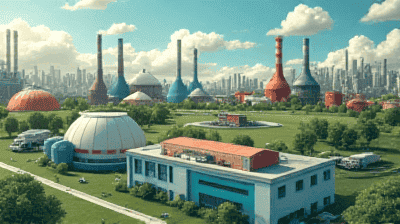
Tiny Homes and Micro-Apartments: Can Compact Living Solve Urban Sustainability Challenges?

Urbanization is a defining characteristic of the modern world, with more than half of the global population now residing in cities. As urban centers continue to grow, they face a multitude of sustainability challenges, including housing shortages, environmental degradation, and rising energy consumption.
The Future of Mining: How the Industry is Reducing Environmental Harm

Mining has long been a cornerstone of global economic development, providing essential materials for construction, technology, energy, and transportation. However, the industry has also been associated with significant environmental harm, including habitat destruction, water pollution, and greenhouse gas emissions.

Circular Construction: How the Building Industry is Reducing Waste with Reusable Materials

In the context of an ever-growing global population and increasing urbanization, the construction industry faces significant challenges in managing waste and environmental impact. Traditional building practices contribute to vast amounts of waste, resource depletion, and greenhouse gas emissions.

The Future of Flying Taxis: Eco-Friendly Innovation or Urban Fantasy?

The concept of flying taxis has long captivated the imagination, featuring prominently in science fiction and futuristic depictions of urban life. With the advent of electric vertical takeoff and landing (eVTOL) technologies, what once seemed like an improbable fantasy is now edging closer to reality.

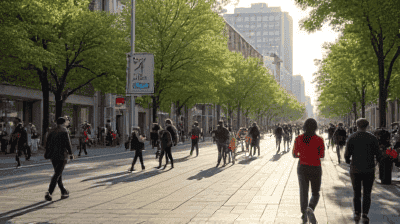
How Car-Free Zones Are Transforming Cities into Pedestrian Paradises

In our rapidly urbanizing world, cities face increasing challenges related to pollution, congestion, and overall quality of life. As more people gravitate towards urban centers, the reliance on automobiles has reached unsustainable levels, leading to negative impacts on the environment and public health.


Hyperloop and High-Speed Rail: Can They Replace Short-Haul Flights?

In recent years, the urgency to address climate change and reduce dependence on fossil fuels has led to increased interest in sustainable transportation solutions. As urban populations grow and congestion on roadways and airspace rises, the quest for efficient, eco-friendly alternatives to traditional transportation methods becomes critical.

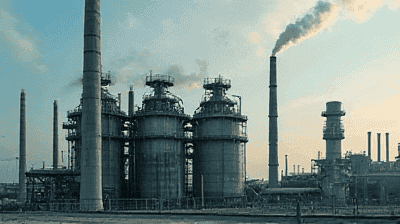
Industrial Symbiosis: How Factories Are Turning Waste into Resources

The global economy is undergoing a transformative shift towards more sustainable practices in response to increasing environmental concerns and resource depletion. One promising strategy emerging from this movement is industrial symbiosis, a network of interconnected companies that collaborate to optimize resource use, minimize waste, and ultimately enhance the circular economy.

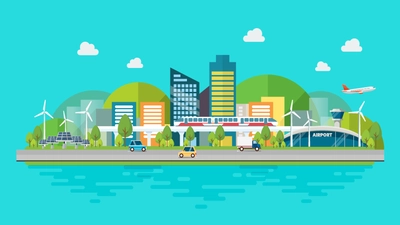
The 15-Minute City Concept: How Urban Planning Can Reduce Car Dependency

As urban populations continue to swell, cities around the globe are grappling with the challenges of congestion, pollution, and energy consumption associated with car dependency. In response to these challenges, the 15-minute city concept has emerged as an innovative urban planning model aimed at creating more livable, sustainable environments.

Renewable Energy in Manufacturing: Solar and Wind-Powered Factories

The manufacturing sector is one of the largest consumers of energy in the world, contributing significantly to greenhouse gas emissions and environmental degradation. As industries face increasing pressure to reduce their carbon footprints and transition to more sustainable practices, renewable energy sources like solar and wind power have emerged as viable alternatives.

Retrofitting Old Buildings: Cost-Effective Ways to Improve Energy Efficiency

As global awareness of environmental issues intensifies, the construction and management of built environments are undergoing a transformative shift. One critical aspect of this change is the retrofitting of old buildings to enhance their energy efficiency.
  • 1
  • 2
  • 3